Discovering the world of eyeshadow can be both exciting and overwhelming. With so many types of eyeshadow and application methods available, it’s easy to get lost. Whether you’re a beginner or looking to refine your skills, understanding how to apply eyeshadow effectively is key to enhancing your eyes.
This guide will delve into the various types of eyeshadow textures available, from creams to powders, and provide you with step by step eyeshadow application techniques to create stunning looks. Equip yourself with the knowledge to blend like a professional and experiment with different styles that suit every occasion.
How to apply different types of eyeshadow?
Applying eyeshadow can be a form of artistry that highlights your eyes. Whether you’re using cream eyeshadow, powder, or a combination of textures, the key is to understand the unique properties of each type.
Cream shadows are known for their intense pigmentation and long-lasting wear. They can be applied with fingers for a more natural look or with a flat synthetic brush for precision. Powder shadows, on the other hand, are ideal for blending and building up layers of colors.
When it comes to eyeshadow blending techniques, it’s essential to use clean brushes to avoid muddying colors. Start with a light shade as your base, gradually adding darker shades to the crease and outer corners of your eyes for a dimensional look.
A common query is how to create a smoky eyeshadow effect. Begin with applying a dark shade close to your lash line and blend upwards, softening the edges with a lighter shade. This technique can create a sultry, smoldering look perfect for evenings out.
For those wondering how to apply eyeshadow for beginners, starting with a neutral base is crucial. It allows you to play with colors without overwhelming your eyes, making it a great canvas for all types of looks.
What are the key techniques for applying eyeshadow?
Mastering eyeshadow application is about understanding eyeshadow techniques. The classic approach is to use three shades: a light color on the lid, a medium shade in the crease, and a dark color in the outer corner.
When creating any look, blending is your best friend. Use a fluffy blending brush to soften harsh lines and ensure a seamless transition between shades. Remember, it’s easier to add more color than to take it away, so build up intensity gradually.
Another technique is the ‘halo eye,’ where you place a pop of shimmer on the center of the lid, sandwiched between darker shades. This creates an illusion of rounder, more prominent eyes.
For those who prefer a minimalist approach, the ‘one-and-done’ technique involves sweeping a single, impactful shade across the lid. It’s a quick and easy eyeshadow look for everyday wear.
Finally, don’t forget the importance of a good eyeshadow primer. It can make all the difference in the longevity and vibrancy of your eyeshadow, ensuring that your hard work doesn’t budge throughout the day.
How to apply three shades of eyeshadow effectively?
Applying three shades of eyeshadow isn’t just about choosing colors; it’s about placement and blending. Start with the lightest shade and apply it all over the lid as a base. This sets the stage for additional colors.
Next, take the medium shade and blend it into the crease. This adds depth and definition. Be sure to blend well to avoid any harsh lines.
The darkest shade should be applied to the outer corner of the eye in a ‘V’ shape. This creates dimension and makes the eyes appear more open.
Remember to blend the edges with a clean brush to achieve a cohesive look. The key is to blend so that the transitions between shades are smooth and natural.
For those looking to blend eyeshadow like a professional, keep practicing and don’t be afraid to mix different textures and finishes for a bespoke eye look.
What are the different types of eyeshadow textures?
- Powder Eyeshadow: The most common texture, great for blending and comes in various finishes from matte to shimmer.
- Cream Eyeshadow: Perfect for a long-lasting look and can act as a base for powder shadows to adhere to.
- Liquid Eyeshadow: Quick and easy to apply for a wash of color or a bold statement eye.
Different textures can create a variety of effects and can be layered together for a multidimensional look. Experimenting with textures is an excellent way to enhance your makeup skills.
How to achieve a natural eyeshadow look?
A natural eyeshadow look is timeless and suitable for any occasion. Begin with a light, matte shade close to your skin tone and apply it all over the lid.
Add a slightly darker shade in the crease to define the eyes subtly. A key tip is to blend thoroughly, as the goal is to enhance your eyes without making it obvious that you’re wearing makeup.
For a hint of definition, apply a tiny amount of dark shadow along the lash line. This can mimic the look of fuller lashes without the harshness of eyeliner.
Finish with a coat of mascara to open up the eyes, and you have a simple, natural eyeshadow look that’s perfect for everyday wear.
Remember, less is more when it comes to achieving a natural look. Use a light hand and blend, blend, blend!
What tools do I need for applying eyeshadow?
The right tools can make all the difference in eyeshadow application. Eyeshadow brushes are a must-have, with a variety of shapes and sizes catering to different needs.
- A flat shader brush is ideal for packing on color to the lid.
- A blending brush helps to soften edges and blend colors seamlessly.
- An angled brush works well for applying shadow as liner or defining the brows.
Additionally, an eyeshadow primer is an indispensable tool for prolonging the wear of your shadows and preventing creasing.
Quality tools can help you achieve professional results, so invest in brushes that will last and perform well.
How to create a smoky eyeshadow effect?
The smoky eye is a classic look that never goes out of style. Start by applying a dark eyeshadow base to the lid and lower lash line.
Blend a medium-dark shade into the crease and use a light, shimmery color on the brow bone and inner corners to highlight.
Add depth by layering a darker shade on the outer corners and blend into the crease for a seamless gradient.
For extra drama, line your waterline with a black kohl pencil and smudge the edges with a small brush.
Finish with several coats of mascara to make your eyes pop against the smoky shadows.
Expert tips and tricks for eyeshadow application
Applying eyeshadow is an art that requires practice and patience. Here are some expert tips and tricks to enhance your technique:
Tapping off excess powder from your brush can prevent fallout and help achieve a cleaner application.
Using a white or nude pencil on the waterline can make your eyes appear larger and more awake.
For a bold color payoff, wet your brush before dipping into metallic or shimmer shadows.
Keep makeup remover and q-tips handy for quick touch-ups and to sharpen edges.
Practice makes perfect, so don’t be afraid to experiment with different colors and styles.
Frequently asked questions about eyeshadow application
How to apply different eyeshadows?
Different eyeshadows require different techniques. For powders, use a brush for precision and blending. For creams, fingers or a flat brush work well for application. Liquid shadows can be applied directly with their applicator and then blended out with a brush or sponge.
Remember to consider the finish of the shadow as well. Matte shades are ideal for the crease, while shimmers and metallics add dimension to the lid and brow bone.
How to apply 3 shades of eyeshadow?
When applying three shades of eyeshadow, start with the lightest color as a base. Apply the medium shade in the crease for depth, and finish with the darkest shade in the outer corner for definition. Always blend well to ensure a seamless finish.
Using different brushes for each shade can prevent colors from getting muddied and maintain the integrity of each hue.
What are the three different types of eyeshadow and how they are used?
The three main types of eyeshadow are powder, cream, and liquid. Powders are versatile and great for blending, creams offer long wear and can be used as a base, and liquids provide a quick and intense color application. Use them alone or layer them for a custom look.
Each type can be used differently to achieve a variety of effects, from subtle to dramatic.
Should dark eyeshadow go on the inside or outside of your eyes?
Typically, dark eyeshadow is placed on the outer corners of the eyes to create depth and definition. Applying it on the inside can make the eyes appear smaller, so it’s best used sparingly in that area unless you’re going for a specific look.
Blending is crucial when using dark shadows to ensure a smooth, graduated effect that enhances the eye’s shape.
And for a visual representation, check out this video tutorial on applying eyeshadow:
In conclusion, mastering the types of eyeshadow and how to apply them can elevate your makeup game. With the right tools, techniques, and a bit of practice, you’ll be able to create eye looks that are truly captivating. Whether you prefer a bold smoky effect or a subtle natural look, the possibilities are endless. Dive into the world of eyeshadow and let your creativity shine!
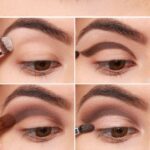 12 eyeshadow makeup tutorials for blue eyes