Achieving a radiant tan is often sought after, yet it comes with a cautionary tale of skin health and safety. The allure of glowing sunkissed skin entices many, but how to tan safely and faster is a question worth pondering for those who wish to embrace the sun’s embrace without embracing harm.
With summer approaching, the dream of perfect tanned skin is on many a mind. However, the risks associated with UV exposure cannot be overlooked. Knowledge and strategy become our tools in the quest for that ideal tan, balancing the desire for bronze hues with the need for skin protection.
How to tan quickly in the sun?
Tanning swiftly under the sun’s rays might seem challenging, but with the right approach, it’s achievable. First and foremost, choose the correct time of day to tan, preferably before 10 a.m. or after 4 p.m. to avoid the intense midday sun.
Using a sunscreen with broad-spectrum SPF 30 is non-negotiable. It protects against both UVA and UVB rays while allowing a tan to develop. Remember to reapply it every two hours or immediately after swimming or sweating.
Equip yourself with accessories like hats and sunglasses for additional protection, and always stay hydrated with plenty of water. Lastly, rotate your position frequently to ensure an even tan and reduce the risk of sunburn.
How to tan without burning fair skin?
For those with fair skin, tanning can be a delicate affair. Begin with a higher SPF sunscreen and limit your initial sun exposure. Gradually increase the time you spend under the sun over several days, allowing your skin to adapt and tan without burning.
Protect sensitive areas such as lips, nose, and shoulders with extra layers of sunscreen or clothing. Consider wearing a rash guard or a swim shirt if you plan to be in the water for extended periods.
Incorporate foods rich in antioxidants into your diet. These can help protect your skin from the inside out. Foods high in beta-carotene, such as carrots and leafy greens, can also enhance your skin’s natural defense against UV damage.
How to get tan fast without sun?
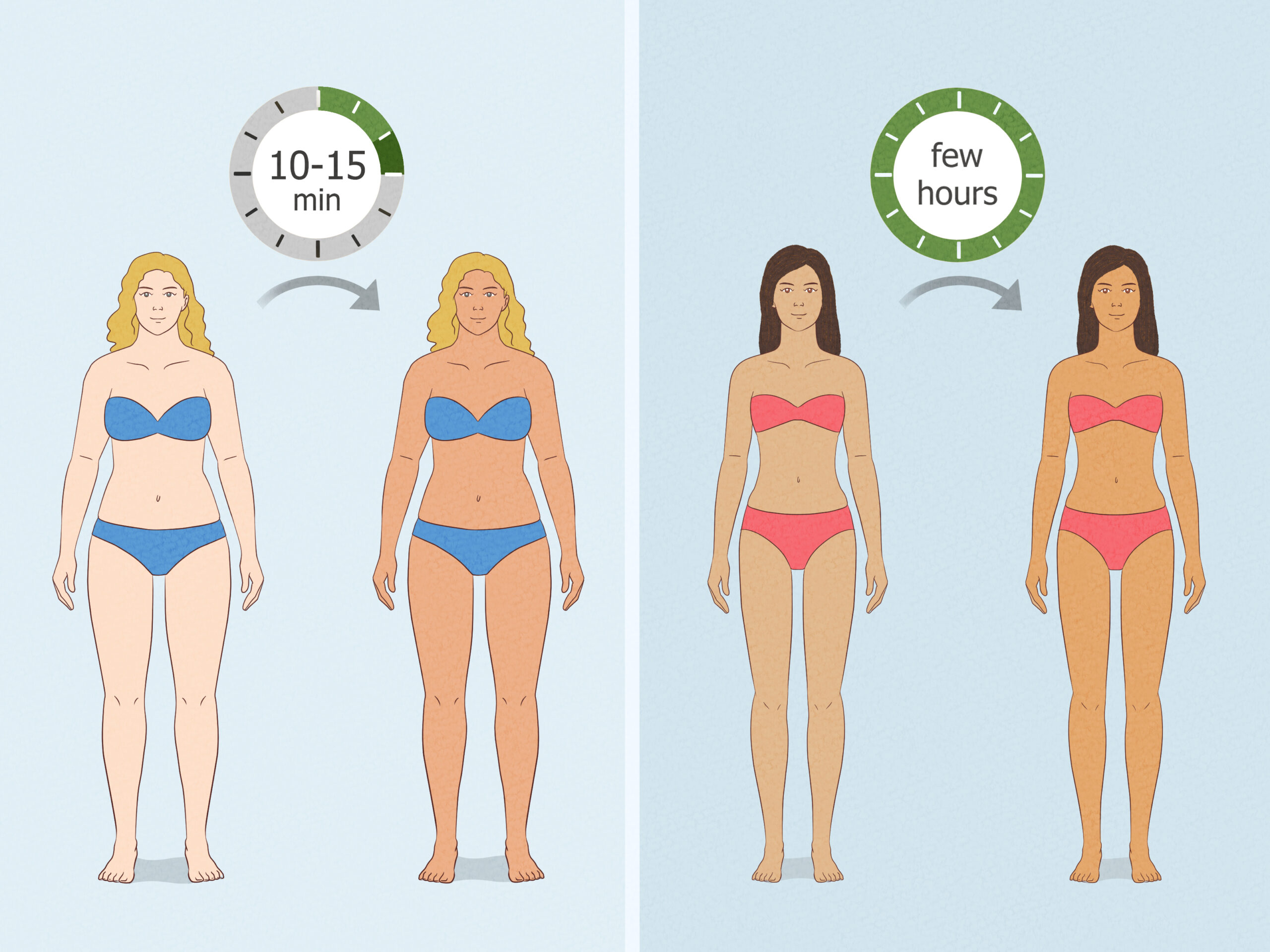
If you wish to avoid the sun entirely, opt for self-tanners or professional spray tans. These products can provide a quick, even tan without any UV exposure. When applying a self-tanner, ensure your skin is exfoliated and moisturized for the best results.
Another option is to use bronzing lotions or tinted moisturizers. These can give your skin an instant touch of color that can be washed off at the end of the day.
 2016 makeup trends that need to die in 2017
For a longer-lasting tan without the sun, look into salon services like airbrush tanning, which can be customized to your desired shade and are applied by professionals to ensure an even coat.
What happens if you don’t tan safely?
Unsafe tanning practices can lead to immediate and long-term consequences. Sunburn is the most immediate effect of excessive UV exposure, which not only causes discomfort but also damages the skin.
Long-term risks include premature aging, such as wrinkles and age spots, and an increased risk of skin cancer. It’s crucial to understand that there is no such thing as a safe UV tan, as any tan is a sign of skin damage.
It’s also possible to develop heat exhaustion or heatstroke from spending too much time in the sun without proper hydration or shade breaks. To tan safely, it’s important to recognize your skin’s limits and heed the warning signs of overexposure.
Should I try indoor tanning?
While indoor tanning might seem like a controlled and convenient alternative to sunbathing, it comes with its own set of risks. Indoor tanning beds emit concentrated UV radiation which can be even more intense than the sun, increasing the risk of skin cancer and skin damage.
Many health organizations advise against the use of tanning beds due to these risks. If a tan is desired, consider safer alternatives such as self-tanning products or spray tans mentioned earlier.
Remember, embracing your natural skin tone is always a safer option.
What are safe alternatives to traditional tanning?
- Self-tanning lotions and creams
- Professional spray tans
- Temporary bronzers and tinted moisturizers
- Gradual tanning moisturizers for a subtle effect
How to prepare your skin for tanning?
Prepping your skin is a crucial step for a smooth and lasting tan. Start with a gentle exfoliation to remove dead skin cells and provide an even base for tanning. Focus on rough areas like elbows, knees, and heels.
Hydration is key; apply a nourishing moisturizer the night before tanning to ensure your skin is supple. On the day of tanning, avoid perfumes or lotions that contain alcohol as they can make your skin more prone to burning.
After tanning, continue to moisturize daily to extend the life of your tan and keep your skin healthy. Use products with aloe or hyaluronic acid to soothe and hydrate.
 Glass skin 2025: how to master the trend with makeup
Before we move on to the related questions, let’s take a moment to watch an informative video that offers additional tips on how to achieve that perfect tan safely:
Related Questions on Tanning Safely
What is the safest way to achieve a sun-kissed glow for your skin?
The safest way to obtain a sun-kissed glow is through the use of broad-spectrum sunscreen while tanning in moderation, focusing on short and less intense sun exposure. Complement this with a diet rich in antioxidants and consider using self-tanning products for a risk-free tan.
For an additional layer of protection, wear protective clothing such as long-sleeved shirts, wide-brimmed hats, and UV-blocking sunglasses when spending extended time outdoors.
How to safely get a tan in the sun faster?
To safely accelerate tanning, apply a water-resistant, broad-spectrum sunscreen with SPF 30 or higher, and reapply regularly. Choose early morning or late afternoon for sun exposure, and hydrate your skin before and after tanning.
Avoid the temptation to use tanning oils that lack sufficient SPF and instead look for products that can enhance the tanning process without exposing the skin to potential damage.
What is 10 minutes of tanning equal to?
Ten minutes of tanning can vary significantly in effect depending on the time of day, UV index, and your skin type. For fair-skinned individuals, 10 minutes under intense midday sun can lead to sunburn, while for darker skin tones, it may contribute mildly to their tanning process.
It’s essential to understand that any tanning is a sign of skin damage, so always protect your skin regardless of the duration.
How to safely tan as a pale person?
For those with pale skin, tanning requires extra care. Start with a high SPF sunscreen and gradually build up your time in the sun over several days. Stay under the sun for short periods and seek shade regularly to prevent sunburn.
Consider using self-tanning products for a safer alternative that doesn’t expose your skin to harmful UV rays.
 Lighten up! Tips to whiten dark underarms
By following the advice outlined in this article, you can enjoy a beautiful and safe tan that preserves the health and vitality of your skin. Tanning with care and awareness ensures that you can achieve that golden glow without compromising your well-being.