The allure of cinema extends beyond gripping storylines and stellar performances; it encompasses the visually stunning makeup looks that have captivated audiences and influenced beauty trends for decades. From the sultry allure of silent film sirens to the striking effects in modern blockbusters, makeup artistry in film has become as iconic as the movies themselves.
In this exploration, we delve into the 10 most iconic makeup looks the cinema has to offer, each one a chapter in the rich narrative of cinematic beauty. Get ready to discover how these looks have shaped not only the characters on screen but also the fashion and beauty landscapes.
How have movie makeup looks evolved over the decades?
The evolution of movie makeup has been a journey of innovation and creativity. From the dramatic looks of the 1920s to the CGI enhancements of the 21st century, each era has brought about new techniques and styles.
Black and white film posed unique challenges, requiring makeup artists to use exaggerated shades to convey emotion and depth. As color films emerged, so did the opportunity to use makeup to enhance the vibrancy of the actors and the storytelling.
The 1960s and 1970s saw a surge in experimental and bold makeup, reflecting the societal shifts of the times. The 1980s and 1990s introduced high-definition makeup, with artists using finer details to withstand the scrutiny of improving technology.
Today, the integration of digital effects with traditional makeup has opened up a new realm of possibilities, allowing for the creation of looks that are both ground-breaking and timeless.
What are the most influential beauty looks in film history?
- Marilyn Monroe’s red lips and winged eyeliner in “The Seven Year Itch”
- Audrey Hepburn’s doe-eyed look in “Breakfast at Tiffany’s”
- Elizabeth Taylor’s dramatic eye makeup in “Cleopatra”
- Angelina Jolie’s striking transformation in “Maleficent”
- Sofia Coppola’s minimalist beauty in “The Virgin Suicides”
Which iconic movie makeup styles have inspired fashion trends?
Iconic movie makeup styles have often set the tone for contemporary fashion trends. Audrey Hepburn’s elegant simplicity in “Breakfast at Tiffany’s” not only defined the 60s but also continues to inspire today’s minimalistic chic.
The punk rock aesthetic of “Desperately Seeking Susan” echoed throughout the 80s fashion scene, while “The Hunger Games” series brought about an avant-garde approach to beauty that has been replicated on runways and editorials.
Tim Burton’s filmography has consistently influenced gothic and alternative fashion, with characters like Edward Scissorhands and the Corpse Bride leaving an imprint on the beauty industry.
Moreover, the rise of comic book movies has seen a resurgence in bold, colorful makeup looks that pay homage to the original artistry of the graphic novels.
How can you recreate classic makeup looks from iconic films?
Recreating classic film makeup looks calls for an understanding of the era and character you are emulating. Begin with a well-researched foundation—know the colors, shapes, and textures that define the look.
Next, gather the right tools and products; for example, achieving Marilyn Monroe’s flawless skin requires a high-quality foundation and setting powder. Audrey Hepburn’s iconic eyeliner can be replicated with a steady hand and a good gel or liquid eyeliner.
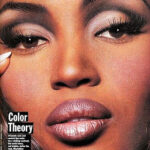 90s supermodel makeup: from runway to afterparty without touch-ups
Don’t forget the role of hairstyling in completing the look. Whether it’s the intricate updos of the Golden Age or the sleek bobs of the Roaring Twenties, hair can make or break your homage to cinematic makeup.
Finally, practice makes perfect. Study tutorials, attend workshops, and don’t be afraid to experiment. With patience and creativity, you can bring these iconic looks to life.
What role does makeup play in visual storytelling in cinema?
Makeup is a powerful tool in cinema, used to reveal character traits, signal changes in narrative, and evoke emotional responses from the audience. It can signify everything from a character’s social status to their mental state.
For instance, the gradual darkening of a character’s makeup can reflect their descent into madness, while a bright, clean look might symbolize innocence or purity.
Special effects makeup takes this one step further, allowing filmmakers to create fantastical creatures that can elicit wonder, fear, or empathy.
In essence, makeup is as much a part of the storytelling as the script itself, adding layers of meaning and depth to the visual language of film.
Which celebrity makeup looks are most recreated by fans?
Fans often turn to their favorite films for beauty inspiration, and certain celebrity makeup looks have become go-to choices for those wanting to channel their inner starlet.
Marilyn Monroe’s classic glamour is a fan favorite, with her signature red lip being a staple in vintage-inspired looks. Audrey Hepburn’s timeless elegance is another look that fans frequently recreate for its sophistication and simplicity.
The edgy chic of Uma Thurman’s character in “Pulp Fiction” has inspired countless interpretations, and the bold, adventurous looks of “The Hunger Games'” Katniss Everdeen have sparked trends in statement makeup.
Lastly, Angelina Jolie’s many roles, particularly the dramatic eyes of her character in “Maleficent,” have been a popular choice for those looking to make a powerful impact with their makeup.
Exploring Behind the Scenes: The Artists and Their Masterpieces
The art of movie makeup would not be possible without the talented artists behind the scenes. From the pioneering work of Max Factor to the transformative effects by Rick Baker, these artisans have shaped the faces we see on screen.
Their work goes beyond mere aesthetic appeal, often involving intricate research and development to accurately portray historical figures, bring fantasy characters to life, or age actors decades within a few hours.
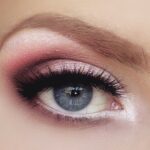 10 best eye makeup ideas and tips for women with upturned eyes
Some of these artists have become celebrities in their own right, with the likes of Pat McGrath and Ve Neill being sought after for their ability to create iconic looks that resonate both on and off the screen.
Movie Makeup Looks: The Influence on Fashion and Personal Identity
The influence of movie makeup extends into the realms of fashion and personal identity, where cinematic styles become a means of expression for many. The rebellious smoky eyes of “The Breakfast Club” and the ethereal glow of characters in “Lord of the Rings” have both found their way into the makeup bags of enthusiasts seeking to capture a part of their favorite films.
These looks not only reflect fashion trends but also allow individuals to explore different facets of their personality. Whether it’s the confidence exuded by a bold red lipstick or the playfulness of a glittery eyeshadow, movie makeup looks offer a palette of possibilities for self-expression.
Related Inquiries on Cinematic Beauty
What are the most iconic makeup looks in movies?
The most iconic makeup looks in movies are those that have not only defined a character but have also transcended the screen to influence real-world beauty trends. Marilyn Monroe’s bombshell appearance, Audrey Hepburn’s quintessential elegance, and Elizabeth Taylor’s Cleopatra are prime examples of makeup that has become synonymous with cinematic history.
These looks are celebrated for their timeless appeal and ability to resonate with audiences across different generations, cementing their status as true icons of film.
How can I replicate famous movie makeup styles?
Replicating famous movie makeup styles starts with studying the specifics of the look you’re aiming to recreate. Pay attention to the key features, whether it’s the shape of the eyeliner, the shade of lipstick, or the style of eyebrow.
Invest in quality makeup products that match the colors and textures needed, and practice the application techniques required to achieve the desired effect. Remember, the devil is in the details, and precision is key to an authentic replication.
What is the significance of makeup in film?
Makeup in film is significant because it serves as a visual cue to the audience, helping to define character, set the tone of the narrative, and immerse viewers in the world of the movie. It can also be a tool for actors, helping them get into character and convey emotions more effectively.
Beyond its functional role, makeup in film often reflects broader societal trends and becomes a part of the cultural zeitgeist, influencing how people perceive beauty and style in their daily lives.
Who are the most recognized makeup artists in cinema?
The most recognized makeup artists in cinema include legendary figures like Jack Pierce, who created the iconic looks for Universal’s classic monsters, and Stan Winston, known for his groundbreaking work in creature effects. Contemporary artists such as Kazuhiro Tsuji and Ve Neill have also earned acclaim for their contributions to the field.
These artists have garnered respect for their innovative techniques, dedication to their craft, and the unforgettable characters they have helped bring to life through their mastery of makeup.
 13 highly rated Halloween makeup kits to add to cart now!
Which classic films have the best makeup looks?
Classic films renowned for their makeup looks span across genres and eras. “Gone with the Wind” showcased the beauty standards of the Old South, while “The Wizard of Oz” brought a fantasy world to colorful life. “Blade Runner” offered a dystopian vision with its futuristic styling, and “The Rocky Horror Picture Show” became a cult classic with its bold and gender-bending makeup.
These films stand out not only for their storytelling but also for their visual impact, with makeup looks that have become iconic in their own right.